 "Providing Accurate and Reliable Diagnostic Services with Care and Precision Since 1986”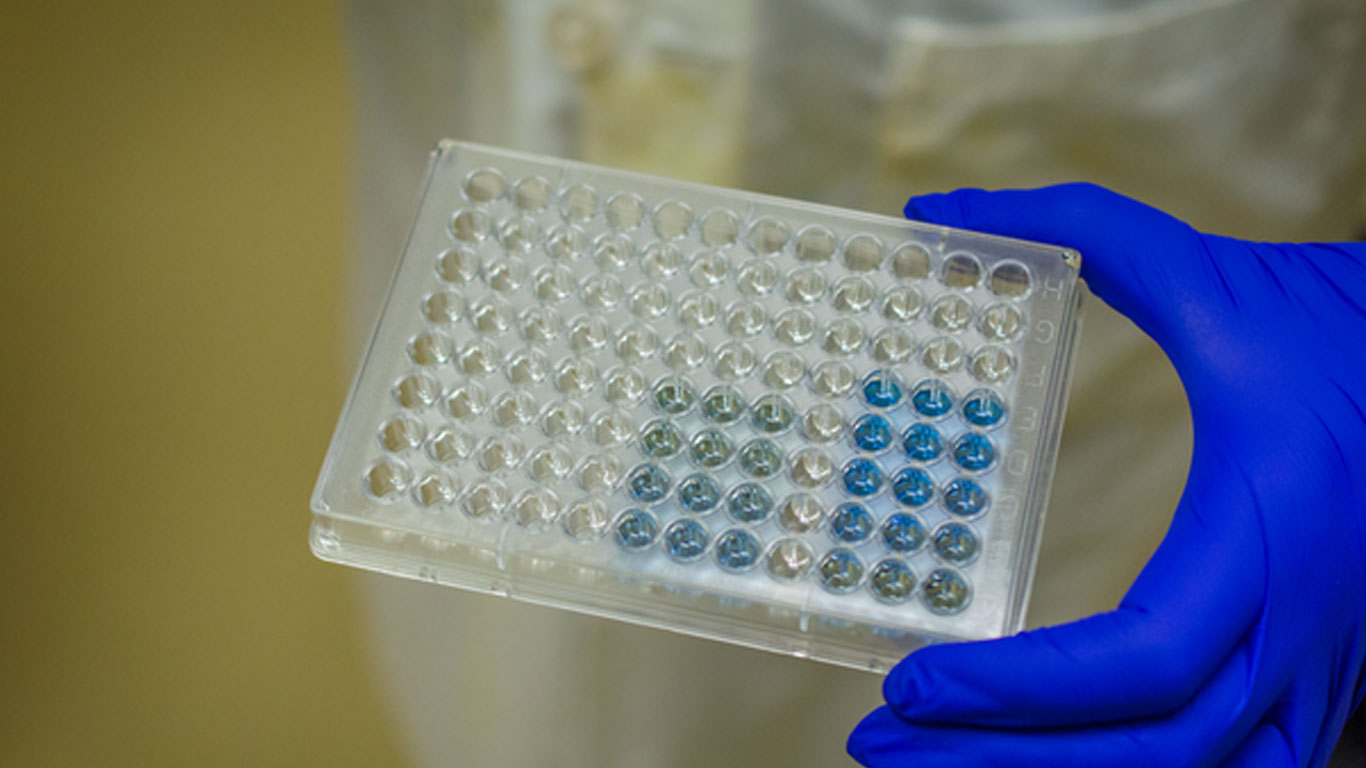
The ELISA TB Test (Enzyme-Linked Immunosorbent Assay for Tuberculosis) is a diagnostic blood test used to detect the presence of antibodies or antigens related to tuberculosis (TB) infection. It helps in identifying immune response against Mycobacterium tuberculosis, the bacteria responsible for TB. This test is useful as a supportive tool in the diagnosis and screening of tuberculosis.
The ELISA TB Test is a laboratory technique that detects specific antibodies or antigens in the blood associated with TB infection. It works by using enzyme-linked reactions to produce a measurable signal, indicating whether TB-related markers are present in the sample.
The ELISA TB Test is a valuable diagnostic tool that aids in the early detection and screening of tuberculosis by identifying the body’s immune response to TB infection. While it provides important insights, it is generally used alongside other diagnostic methods for accurate confirmation. Early testing and diagnosis are crucial in preventing the spread of tuberculosis and ensuring effective treatment and recovery.
Important Points of Elisa TB Test
- Advanced Diagnostic Technique Using Enzyme-Linked Immunosorbent Assay to Detect TB-Related Antibodies and Antigens Accurately
- Supports Early Screening and Detection of Tuberculosis Infection for Timely Medical Intervention and Treatment
- Simple Blood Test Procedure Providing Reliable Results When Used Alongside Other Confirmatory TB Tests
- Helps Identify Immune Response Against Mycobacterium Tuberculosis in Suspected Patients
- Essential for High-Risk Individuals and Those Showing Symptoms of Tuberculosis Infection
- Plays a Supportive Role in TB Diagnosis and Monitoring but Requires Further Tests for Final Confirmation