 "Providing Accurate and Reliable Diagnostic Services with Care and Precision Since 1986”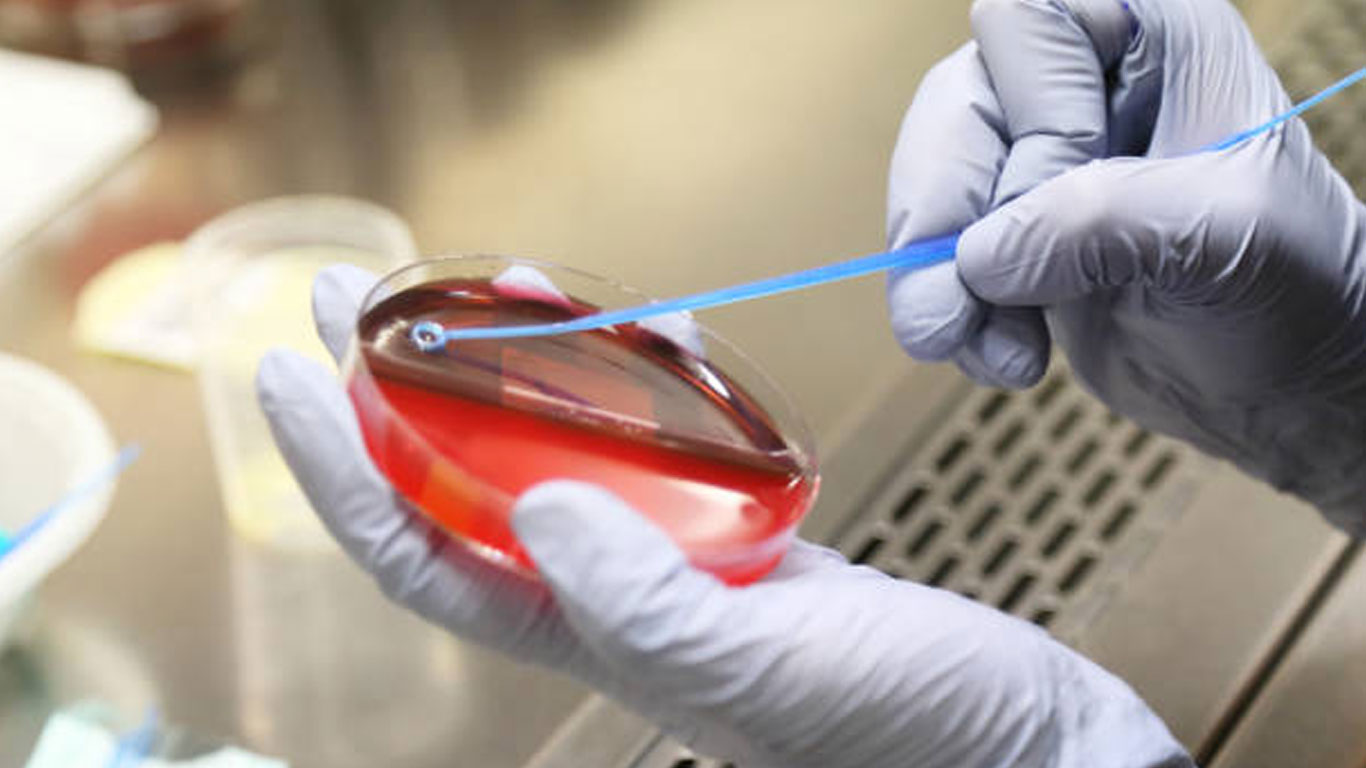
A Culture Test is a diagnostic laboratory test used to detect and identify microorganisms such as bacteria, fungi, or other pathogens present in the body. It helps determine the exact cause of an infection and identifies the most effective antibiotics or medications for treatment through sensitivity testing.
A Culture Test involves placing a sample (such as urine, blood, sputum, or swab) in a controlled environment to allow microorganisms to grow. Once the organisms grow, they are identified and tested against different antibiotics to find the most suitable treatment.
A Culture Test is a vital diagnostic tool for identifying infections and ensuring accurate treatment. By detecting the exact microorganism responsible and determining the most effective medication, it helps in faster recovery and prevents complications. This test plays a key role in modern healthcare by promoting precise diagnosis and reducing the misuse of antibiotics.
Important Points of Culture Test
- Accurate Identification of Disease-Causing Microorganisms Such as Bacteria, Fungi, and Other Pathogens
- Helps in Early Detection and Diagnosis of Liver Diseases Such as Hepatitis, Fatty Liver, and Liver Damage
- Helps Determine the Most Effective Antibiotic Through Sensitivity Testing for Targeted Treatment
- Essential for Diagnosing Infections That Do Not Respond to General Medications
- Supports Prevention of Antibiotic Resistance by Guiding Proper and Controlled Medication Use
- Applicable to Various Sample Types Including Blood, Urine, Sputum, and Wound Swabs
- Provides Reliable and Detailed Results for Effective Diagnosis and Treatment Planning